
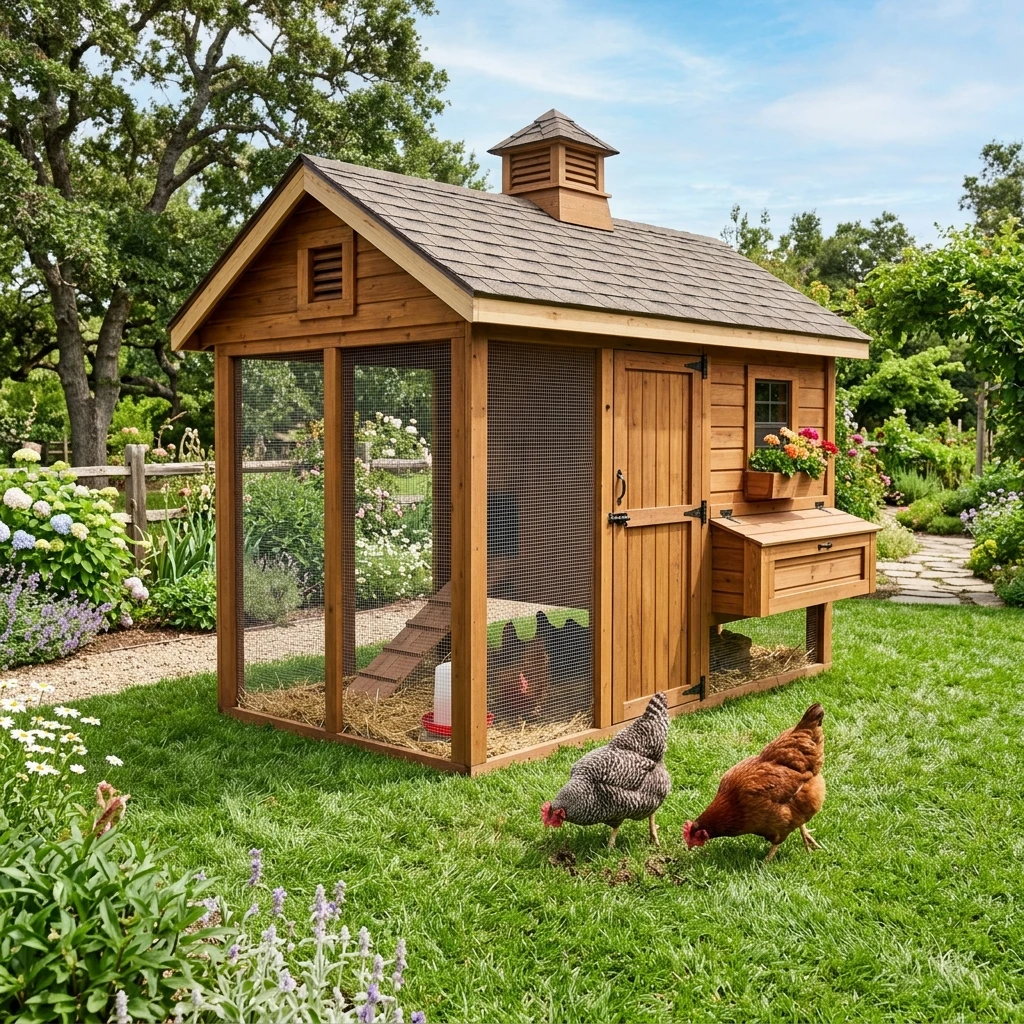
A proper coop is the foundation
Infrastructure and SafetyA well-designed coop is the foundation of successful chicken keeping. This place must be not only a shelter but primarily a safe and comfortable home.
- Adequate space - minimum 0.5 m² inside per chicken and 2-3 m² of run area.
- Roosts - height 60-90 cm, width 4-5 cm (preferably rounded), 25 cm of length per chicken.
- Nests - one nest (30x30 cm) for every 4-5 chickens, lined with clean straw.
- Ventilation - crucial for removing ammonia, but without drafts directly on the birds.
- Protection - mesh with holes < 1.5cm, buried in the ground against foxes and martens.
- Hygiene - bedding should be dry. Regular cleaning prevents parasites.
"A well-designed coop reduces the risk of disease and directly translates to better egg production for your flock. "
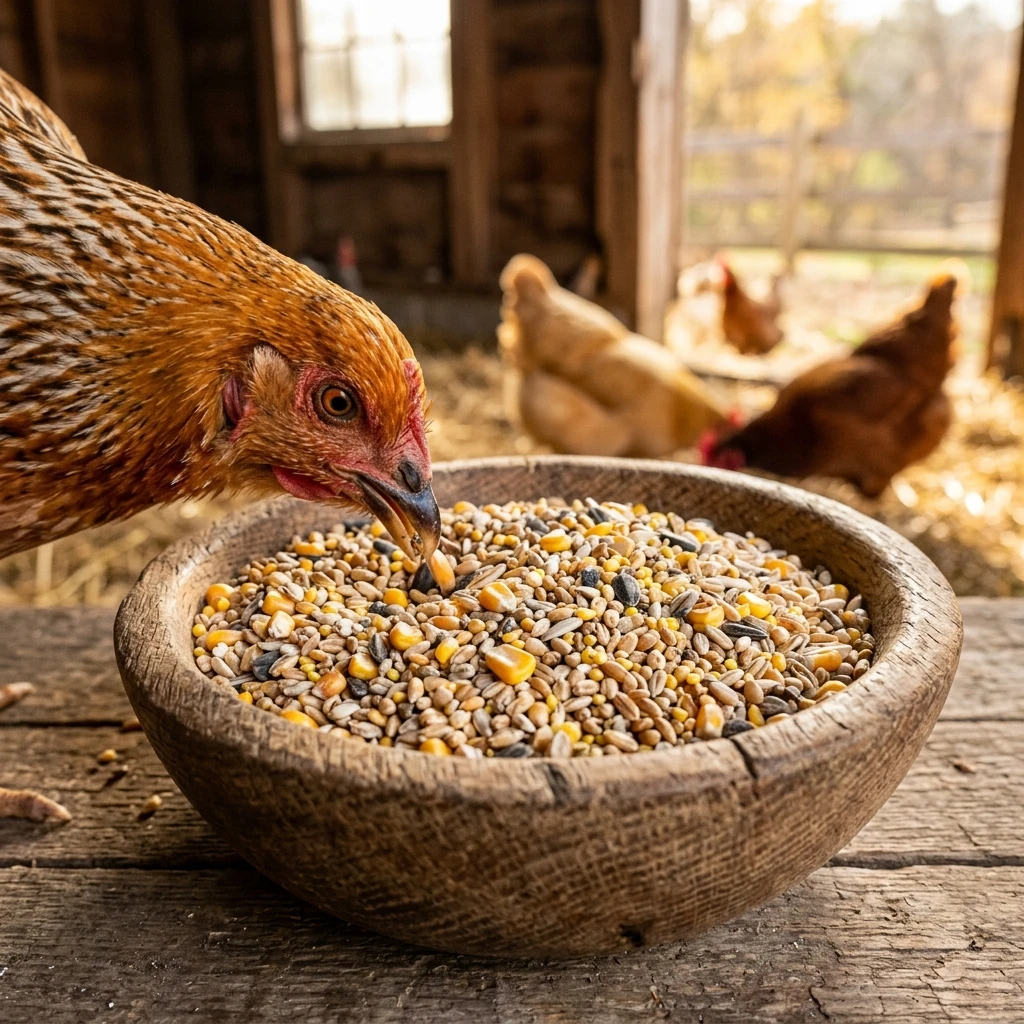
Balanced nutrition
Energy, Protein, and MineralsWhat a chicken eats determines the quality of the egg and its longevity. Feed should be varied and adapted to the season.
Diet basics
Complete feed (mix) is the base. In winter, give more corn for energy; in summer, more lighter grains.
Water
Always fresh and clean. A chicken drinks up to 0.5l of water daily, especially in the heat. Change it at least once a day.
Calcium and Grit
Feed chalk, shells, or mussels must not be missing – it's the building block of the shell. Grit helps in grinding the feed in the crop.
Additives
Herbs (nettle, yarrow), vegetables (carrots, beets), and fruits are natural vitamin bombs.
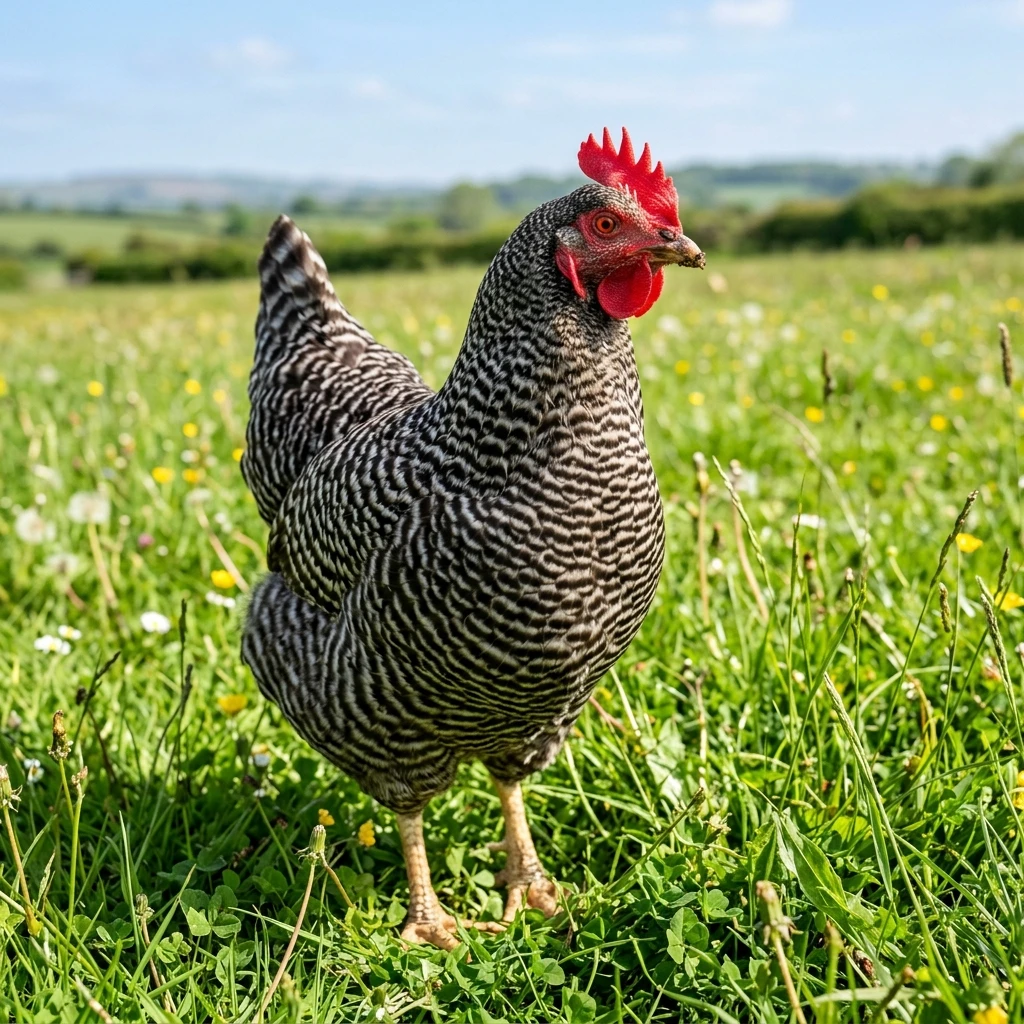
Prevention and Health
Prevention is the best treatmentBreeder's golden rule: Daily observation. Spend 5 minutes morning and evening checking how your birds move.
What to look for?
- Apathy and lethargy (chicken standing in a corner with drooped wings)
- Change in comb color (should be bright red)
- Strange noises when breathing (rattling/wheezing)
- Feather condition and cleanliness around the vent
Biosecurity Rules
- Limit entry of strangers into the coop.
- Use quarantine for new birds (min. 14 days).
- Regularly deworm the flock.
- Control rodents, which carry many diseases.
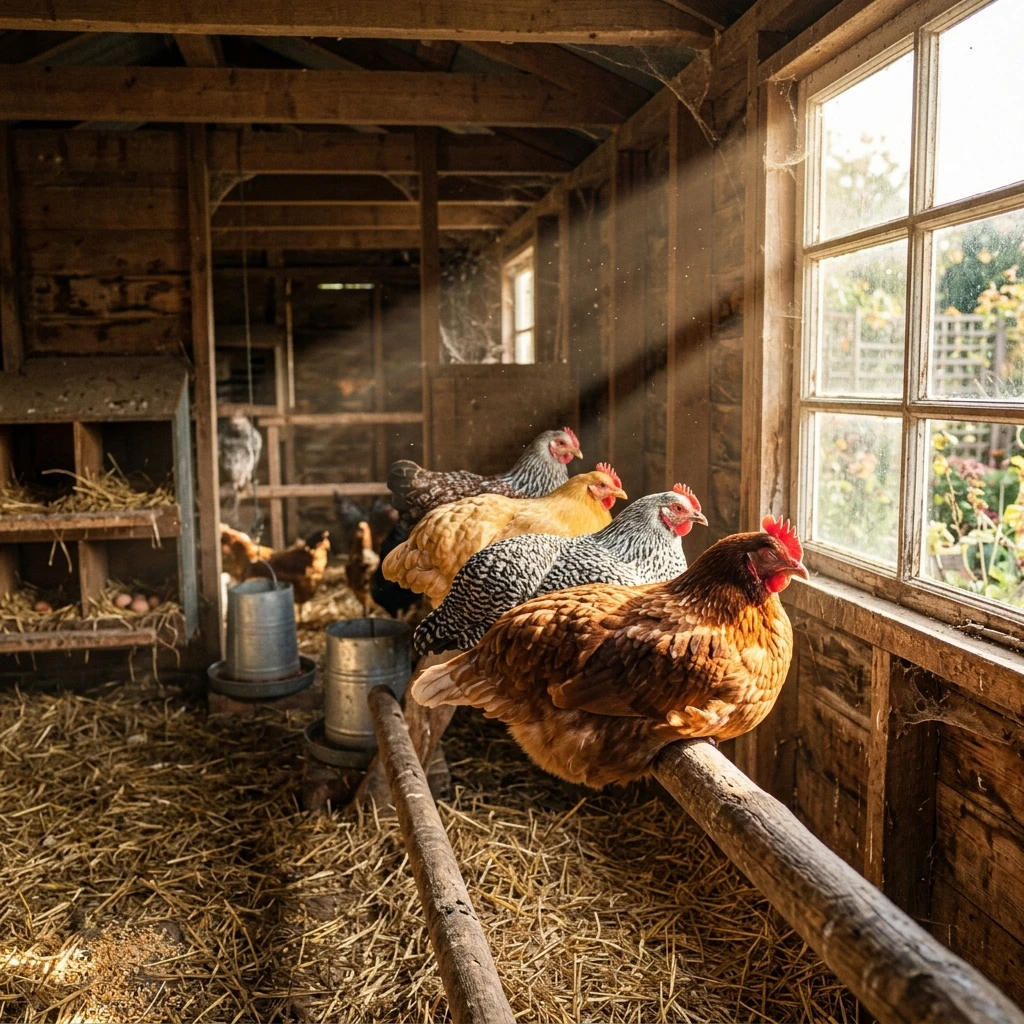
Light and Seasonality - the forgotten tip
Lighting and Production CycleA hen lays eggs because she thinks it's spring all year round. It's a bit cruel, but that's exactly what light does. A layer needs 14-16 hours of daylight per day to lay well - in summer nature handles it, in winter you have to help.
Summer (June-August)
The day is naturally long, your hens are laying at full throttle. You don't need to do anything - just enjoy the results.
Autumn & Winter (September-February)
Short days, hens slow down or stop laying entirely. This is when you turn on artificial light in the coop - one standard 9-11W LED bulb per 10-12 m² is enough.
Late Winter (March-April)
Days are getting longer, hens are waking back up. If you used supplemental light through winter, just gradually reduce the artificial lighting schedule.
Watch out for Molting
If a hen is currently molting - don't force her to lay with extra light. Recovery is more important than eggs.
How to keep it simple?
Set a timer for early morning (e.g., 4:00-6:00 AM) or evening (5:00-8:00 PM). Hens should go to sleep after natural sunset - turn the light on in the morning, not the evening. And remember: at least 8 hours of darkness per day, otherwise the hens burn out (literally).
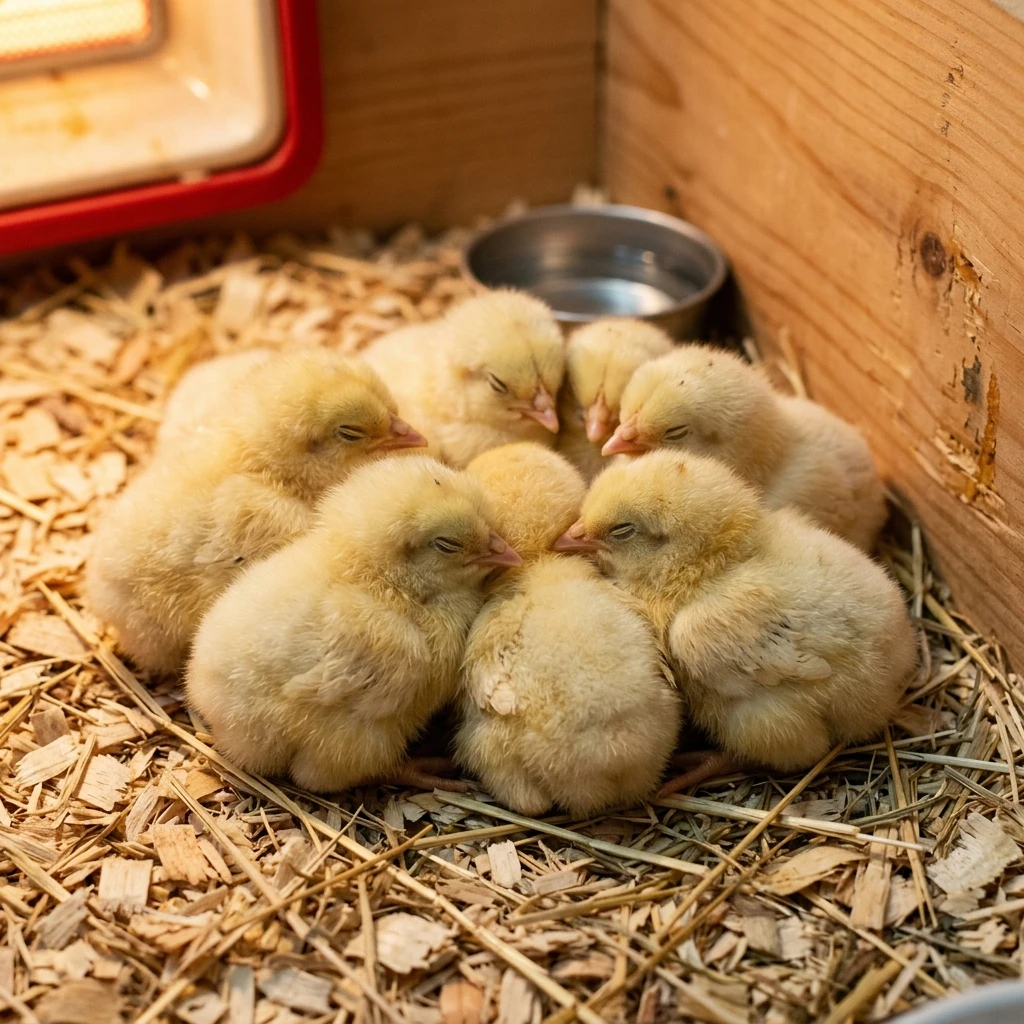
Buying your first hens? Read this first
Selection, Purchase, and Flock IntroductionGetting your first hens is like getting your first child - you feel completely unprepared and a little scared. But it's simpler than you think. The key is knowing what to look for and what mistakes to avoid.
A good hen has:
- Bright, red comb - paleness is a bad sign
- Clean feathers without bald patches - indicates no parasites
- Alert eyes, no discharge around them
- Normal droppings - firm, dark green with a white cap
- Active and lively - an apathetic hen is a sick hen
- Age 16-20 weeks - this is the optimal starting point
Avoid at all costs:
- Birds from strangers without paperwork - disease risk
- Hens with rattling, coughing, or nasal discharge
- Chickens from an existing flock without quarantine
- Roosters sold as 'definitely hens' - it happens more than you think
- Sellers you can't inspect the actual birds at
Golden rule: Every new hen - without exception - goes into a 14-day quarantine in a separate space first. Even if she looks healthy. Even if the seller swore she's fine. One sick bird can infect your entire flock.
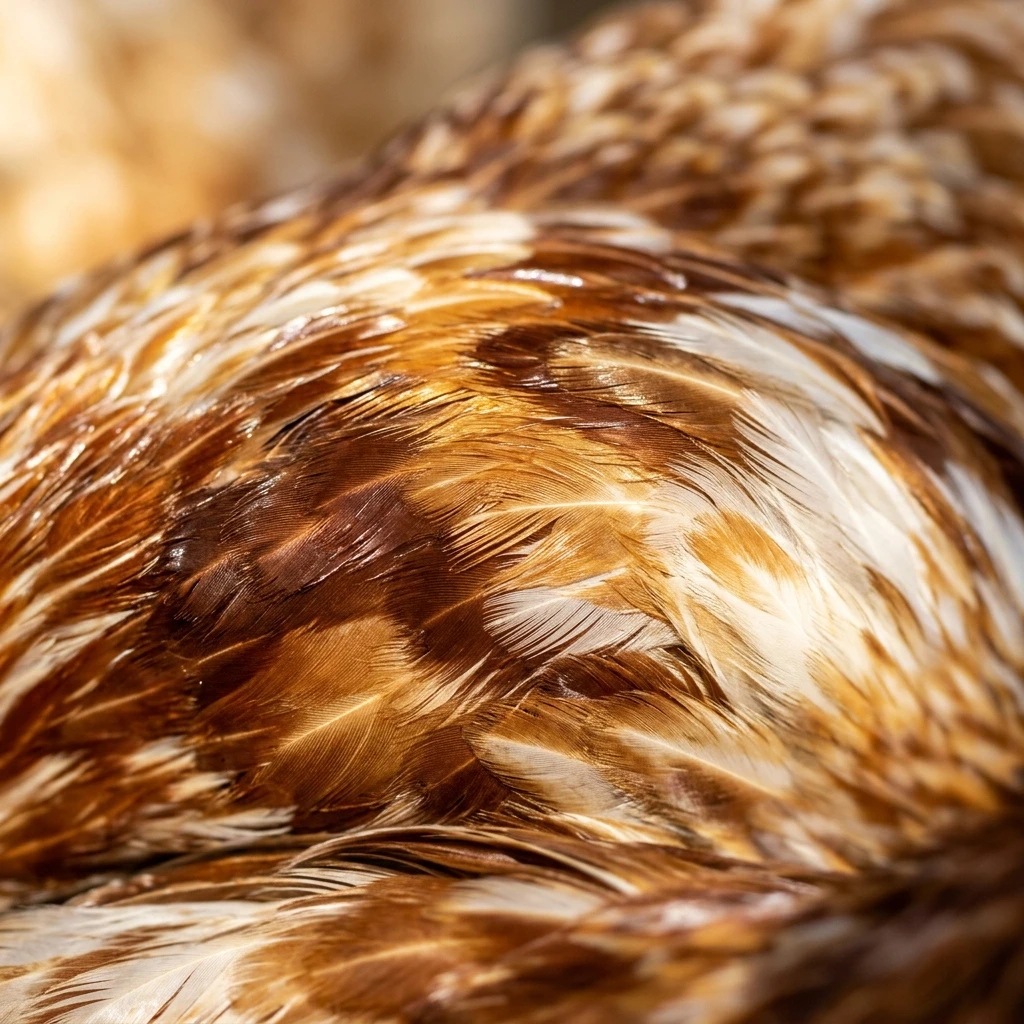
Molting - don't panic, it's totally normal
Seasonal Feather ReplacementOne autumn morning you walk into the coop and find a mountain of feathers on the floor. Your hens look like they've been through a raid - bald patches, pin feathers sticking out. Nothing is wrong. This is molting.
Molting happens in stages and takes 8 to 16 weeks:
How to help?
- Increase protein in the diet to 18-20% - feathers are pure keratin and cost a lot of energy
- Give dried insects (e.g., mealworms) or hard-boiled eggs - a quick protein boost
- Don't handle hens too much - new pin feathers are painful to touch
- Minimize stress - don't introduce new hens or rearrange the coop
- Vitamin E and biotin help speed up feather regrowth
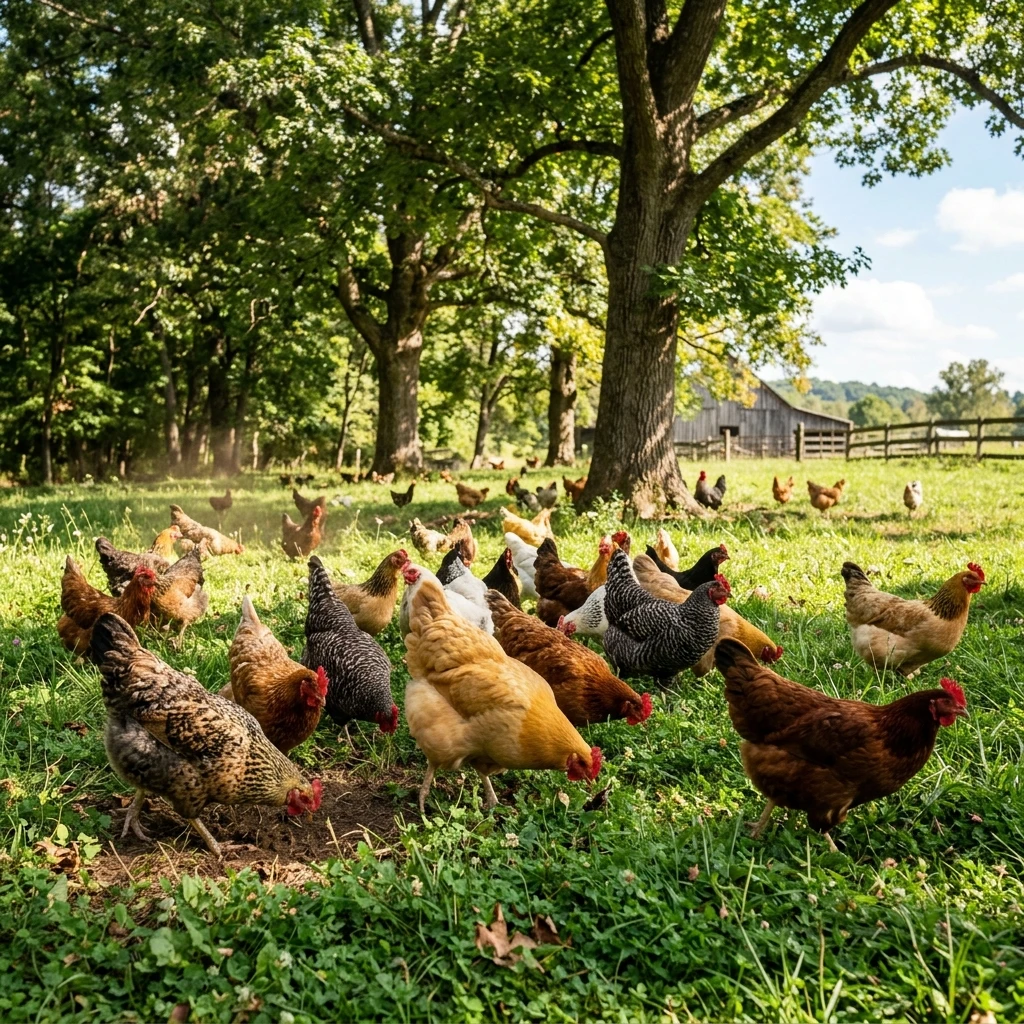
Pecking Order - who runs the coop
Flock Behavior and StressChickens have a full social hierarchy - the so-called 'pecking order.' And just like in any office, it isn't always fair. The top hen eats first, drinks first, and picks the best spot on the roost. The bottom hen gets leftovers.
When to raise the alarm?
- Blood on feathers - normal pecking doesn't cause bleeding
- One hen isolated - the rest of the flock has pushed her out
- Feathers pecked from the back - overcrowding or boredom
- Constant chasing and attacks - stress or too small a run
What to do?
- More space - minimum 2-3 m² of run per hen, the more the better
- Enrichment - hanging cabbage, a sand bath, logs to jump on
- Isolate the attacked hen until her wounds heal
- Multiple feeders - 2-3 feeding stations reduce conflicts
- Introduce new hens at night - in darkness the pecking order doesn't apply
- If one bird is the bully - isolate the aggressor, not the victim
"Chickens aren't vacationers on a sunny beach. They are animals with an elected government, a rulebook, and a beak-enforced realpolitik. Your role? Make sure the system stays more or less fair."